Everything you need to know about tube end finishing, from chamfering and deburring to end forming and facing, and how to choose the right process for your application.
Most cut tubes need finishing on both ends before they’re ready for the next operation. What kind of finishing depends on what happens next: welding, assembly, further processing, or final use.
This guide covers the main tube end finishing processes, when each is needed, and how to choose the right approach for your production requirements.
Why End Finishing Matters
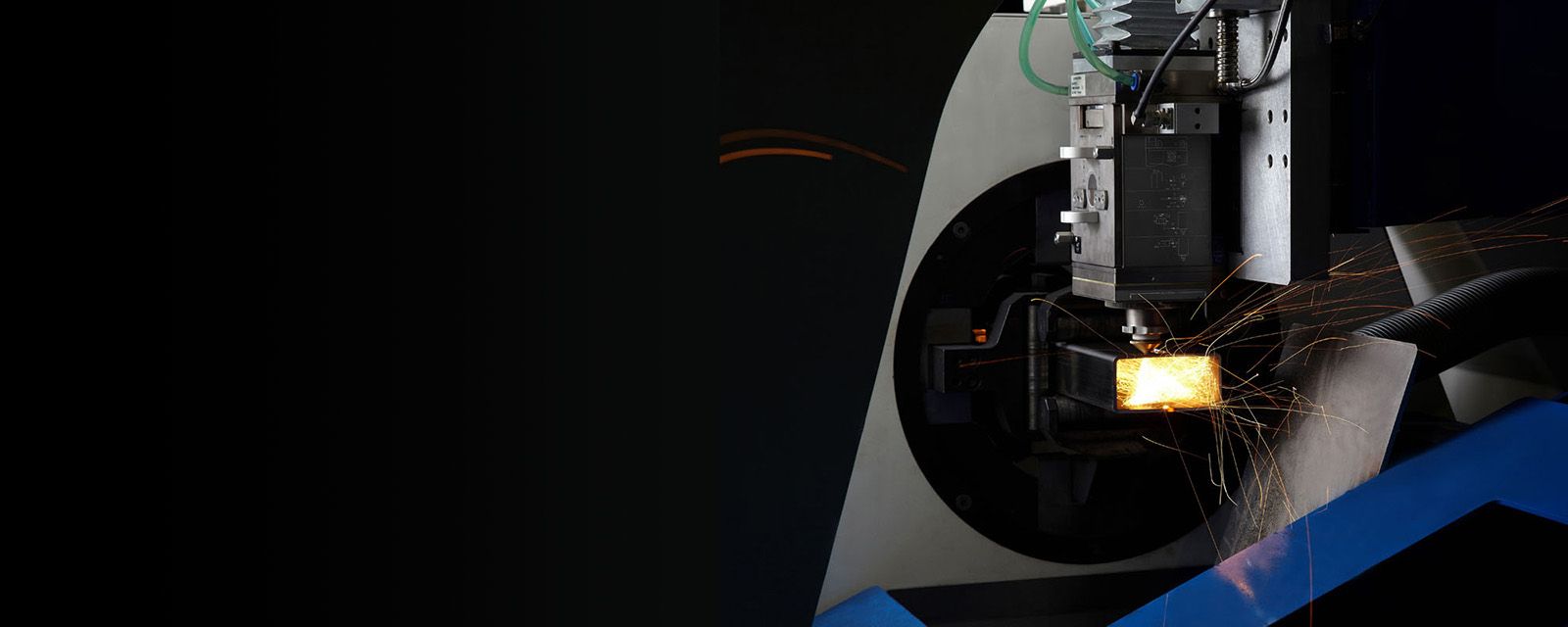
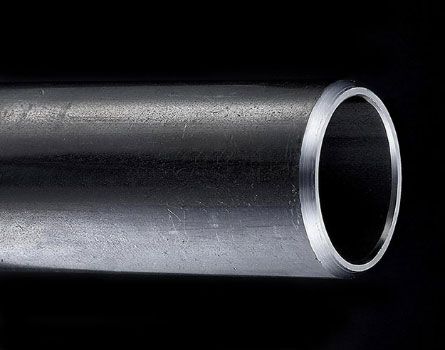
A tube fresh off the saw has raw edges: sharp burrs on the ID and OD, a cut face that may not be perfectly square, and surface roughness from the cutting process. Depending on the application, these raw edges can cause:
- Poor weld quality: Incomplete penetration, porosity, and weak joints
- Assembly problems: Difficulty inserting into fittings, damage to O-rings and seals
- Safety hazards: Cut injuries from sharp burrs during handling
- Quality issues: Visible rough edges on finished products
- Downstream damage: Burrs breaking loose and contaminating hydraulic or pneumatic systems
End finishing eliminates these problems. What varies is which finishing process, or combination of processes, your application requires.
Chamfering
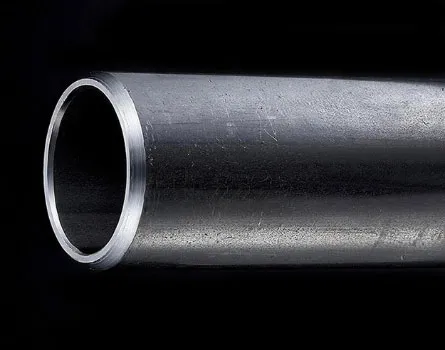
Chamfering creates an angled bevel on the tube end, typically at 30 or 45 degrees. It’s the most common end finishing operation for tubes destined for welding.
When to Use Chamfering
- Weld preparation: The bevel creates a V-groove for full-penetration welds. Required by most welding codes for structural and pressure applications.
- Assembly lead-in: A chamfered edge guides the tube into fittings and mating components.
- Aesthetic finishing: Removes the sharp edge and gives a clean, professional appearance.
OD vs. ID Chamfering
Most chamfering machines can cut both the outside diameter (OD) and inside diameter (ID) chamfer in a single operation:
- OD chamfer: The bevel on the outer edge. This is the primary weld prep surface.
- ID chamfer: Removes the internal burr and creates a clean inner edge. Important for fluid-handling applications where internal surface quality matters.
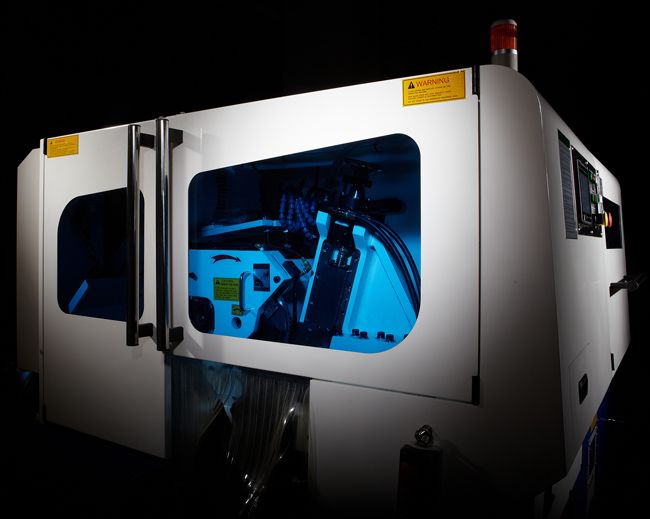
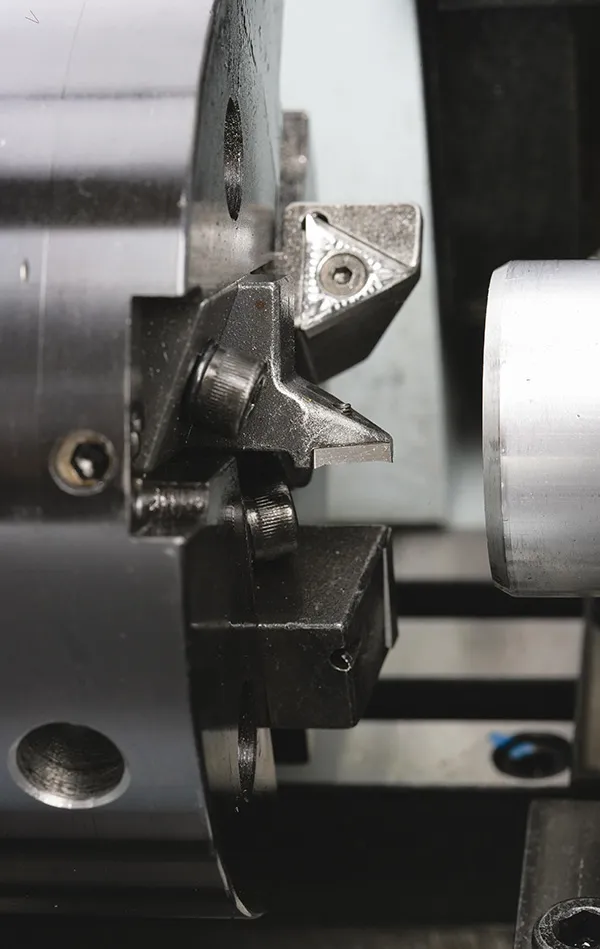
Our chamfering machines handle both OD and ID chamfering simultaneously, processing tube ends in seconds.
Deburring
Deburring removes the rough burr left by the cutting process without necessarily creating a beveled edge. The goal is a smooth, clean edge rather than an angled surface.
When to Use Deburring
- Safety: Removing sharp burrs to prevent handling injuries
- Assembly: Cleaning edges for press-fit or slip-fit applications
- Hydraulic and pneumatic tubing: Preventing burr fragments from contaminating fluid systems
- Food and medical tubing: Meeting sanitary requirements for smooth internal surfaces
Deburring Methods
- Machine deburring: Purpose-built deburring machines remove burrs quickly and consistently. Often combined with chamfering in a single machine.
- Tumbling: Small parts can be deburred in vibratory or rotary tumblers. Good for batch processing but less precise.
- Manual: Hand tools, files, and deburring cutters. Adequate for low volumes but inconsistent and labor-intensive.
End Facing
End facing machines the cut face of the tube to create a perfectly flat, square surface perpendicular to the tube axis.
When to Use End Facing
- Precision assemblies: When the tube end butts against another surface and the joint must be perfectly flush
- Sealing surfaces: When the tube end forms part of a seal, such as in flared fittings
- After sawing: To correct minor squareness errors from the cutting process
- Measurement reference: When tube length is measured from the end face and tight tolerances are required
End facing is less common than chamfering or deburring but critical in applications where end squareness directly affects function.
End Forming
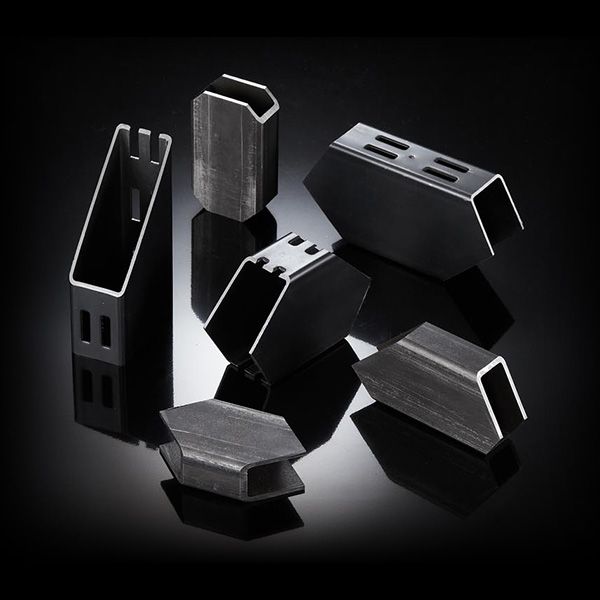
End forming reshapes the tube end into a different geometry: expanding, reducing, flaring, beading, or creating other profiles. Unlike chamfering and deburring, it changes the tube’s dimensions rather than just cleaning the edge.
Common End Forming Operations
- Expanding: Increases the OD of the tube end to create a socket for slip-fit joints
- Reducing (swaging): Decreases the OD for insertion into another tube or fitting
- Flaring: Creates an outward-angled lip for flare-type fittings
- Beading: Rolls a raised ring around the tube for hose clamp retention
- Notching: Cuts a profile into the tube end for cope-style joints
End forming is typically done on dedicated end forming machines or as an operation on CNC tube benders with end forming stations.
Choosing the Right Process
It comes down to one thing: what happens to this tube next?
| Next Operation | Recommended Finishing |
|---|---|
| Butt welding | OD chamfer (30-45°) + ID deburr |
| Socket welding | OD deburr + ID deburr |
| Press-fit assembly | Light deburr both ID and OD |
| Slip-fit into fitting | OD chamfer for lead-in |
| Visible end (furniture, handrail) | Full chamfer + polish |
| Hydraulic/pneumatic system | ID deburr, clean flush |
| Flared fitting connection | End face + flare form |
| Tube-to-tube joint (structural) | Cope cut or chamfer per weld spec |
Production Considerations
Volume
For low volumes (under 50 tube ends per day), manual deburring may be adequate. Above that threshold, a dedicated machine pays for itself quickly through labor savings and consistent quality.
Cycle Time
Modern chamfering machines process a tube end in 3-10 seconds depending on tube size and material. If you’re spending 30-60 seconds per end with manual methods, the productivity gain from a machine is 5-10x.
Integration
Stand-alone chamfering machines work for most shops. High-volume operations benefit from integrating the chamfering station directly into the cutting line so tubes are finished automatically as they come off the saw.
Material Range
Different materials require different tooling speeds and feeds. If you process multiple materials, choose a machine with easy speed adjustment and quick tool change capability.
Our End Finishing Solutions
World Machinery & Saw carries a complete range of chamfering and deburring machines from SOCO Machinery. Our models cover tube sizes from small-diameter precision tubing to large structural pipe, with options for single-end and double-end processing.
We also offer saw blade resharpening and retoothing services that improve cut quality at the source, reducing the amount of end finishing needed downstream.
Need help selecting the right end finishing equipment? Contact us for a consultation based on your tube sizes, materials, and production requirements.