Comparing laser tube cutting and cold saw cutting: when each technology makes sense, their strengths and limitations, and how to decide which fits your production needs.
Both laser tube cutting and traditional cold sawing produce cut tubes, but that’s where the similarities end. These are fundamentally different technologies with different strengths, and choosing between them, or deciding to use both, comes down to understanding what each does best.
How Each Technology Works
Cold Sawing
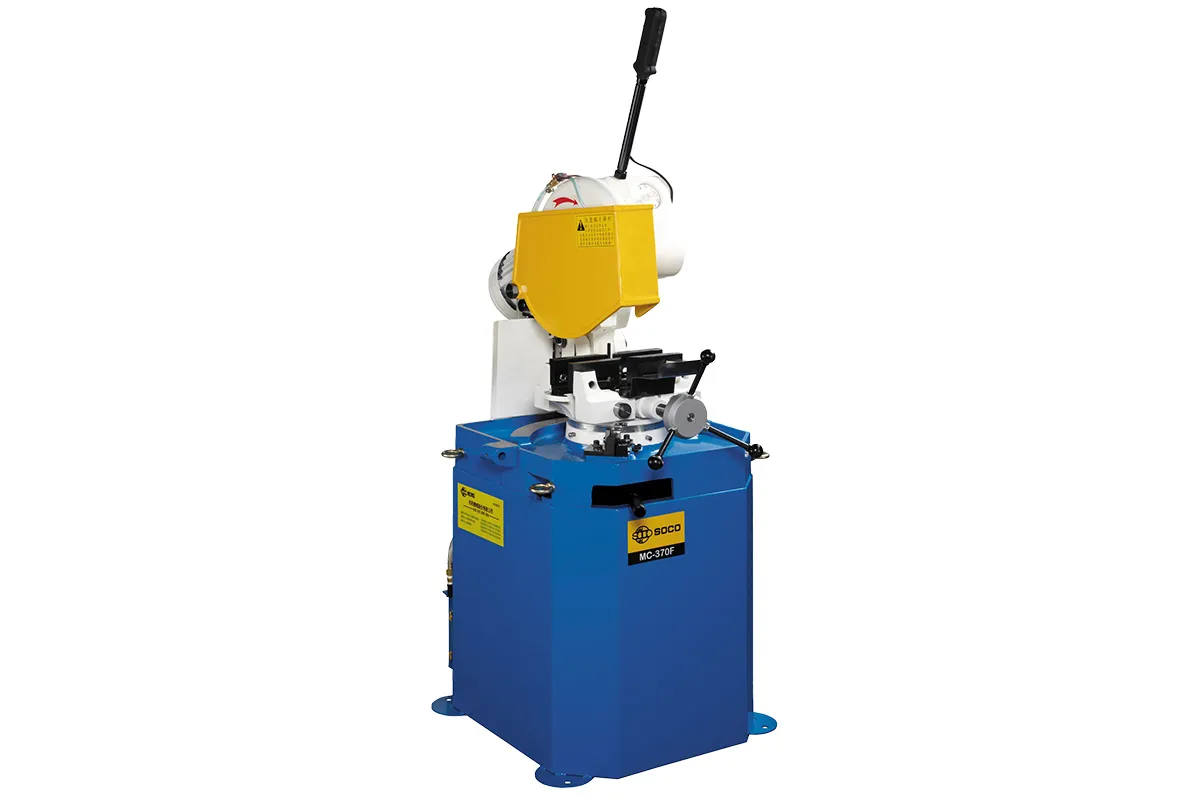
A circular blade with precision-ground teeth rotates at controlled speed and feeds through the workpiece. The teeth shear material away as chips, transferring heat into the chips rather than the tube. The result is a clean, square cut with minimal heat-affected zone.
Cold saws are available from simple manual machines to fully automatic CNC systems with programmable length stops and bundle cutting capability.
Laser Tube Cutting
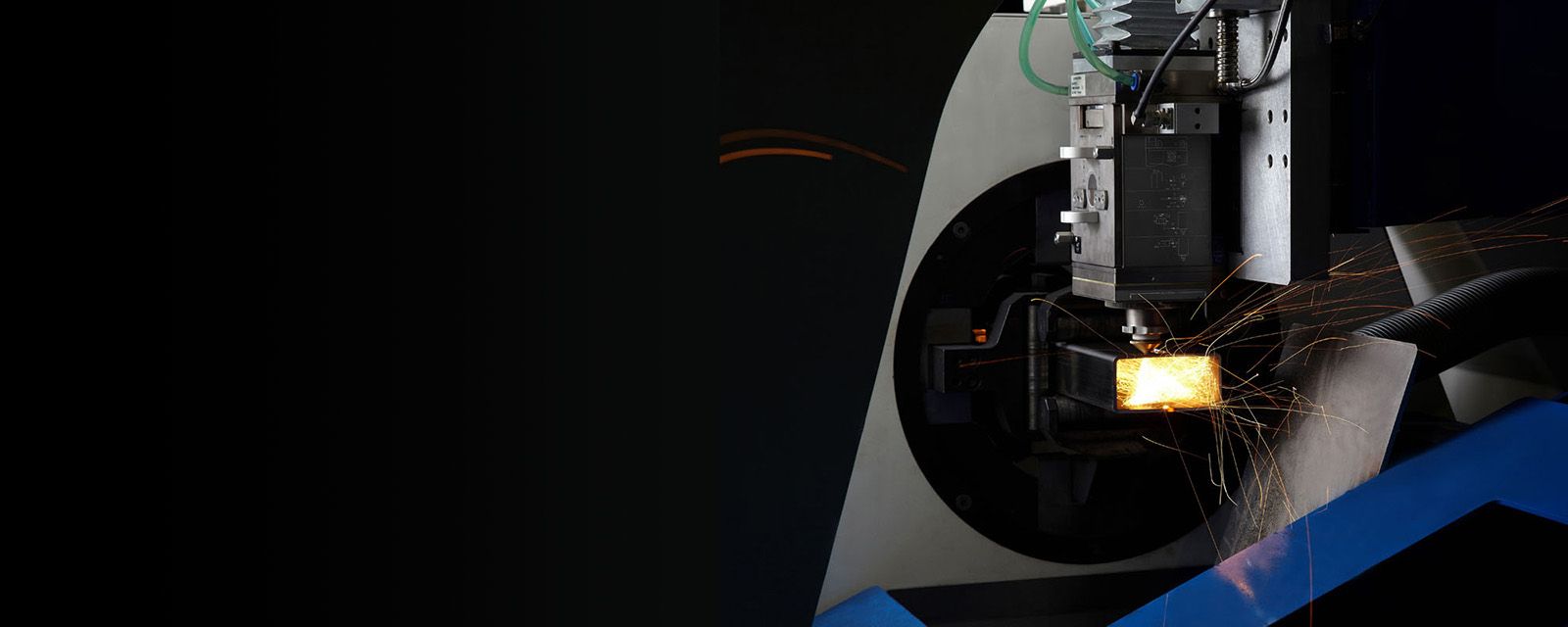
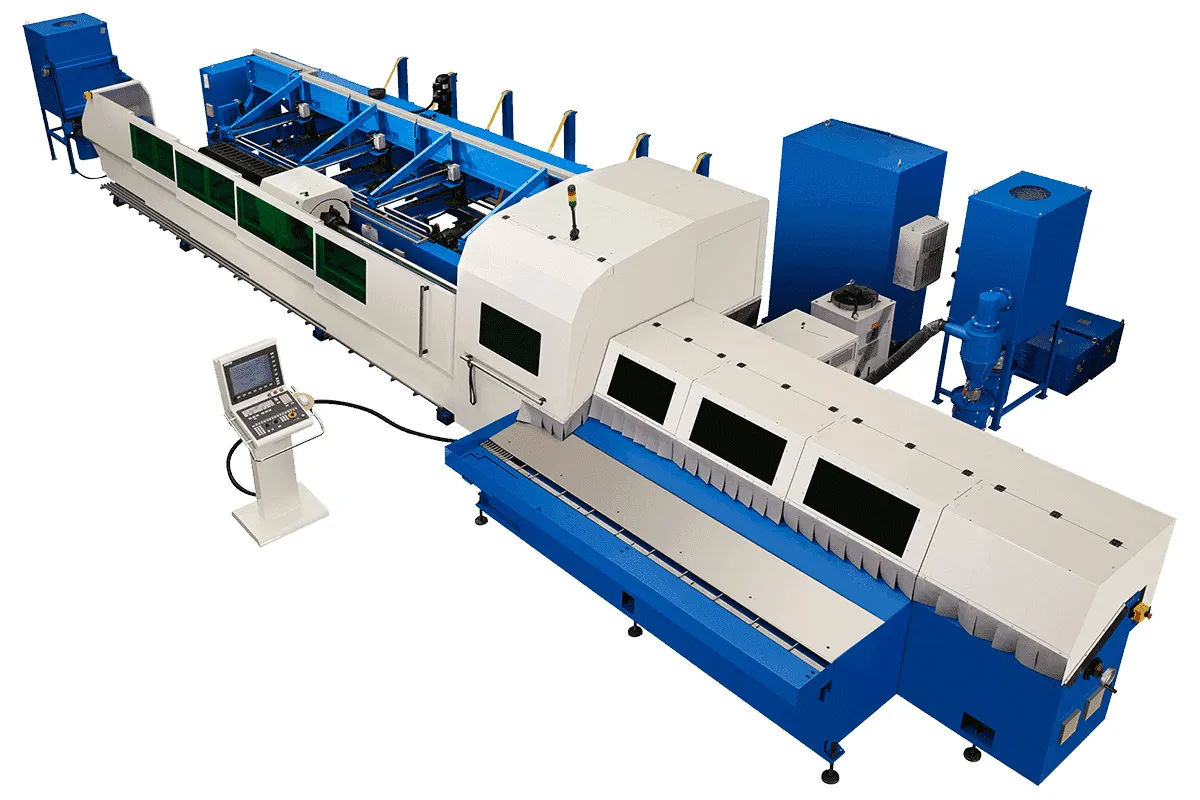
A focused laser beam, typically a fiber laser in modern systems, melts and vaporizes material along a programmed cutting path. A CNC system controls the laser head’s position in multiple axes while the tube rotates and feeds, allowing complex cut geometries that would be impossible with a saw blade.
Where Cold Sawing Wins
Straight Crosscuts
If all you need is square cuts to length, a cold saw is hard to beat. It’s faster per cut, simpler to set up, and less expensive to operate. A high-quality cold saw produces a cut face that’s ready for welding without secondary operations.
High-Volume Production Cuts
For repetitive straight cuts (thousands of identical pieces per shift), an automatic cold saw with a servo feed system is extremely efficient. Cut-to-length cycle times of a few seconds are common, and the cost per cut is minimal once the machine is set up.
Thick-Wall Material
Cold saws handle heavy wall thicknesses without issue. The cutting force is mechanical and scales with the blade, so thick-wall pipe that would slow down a laser is handled comfortably by a properly sized saw.
Lower Operating Cost
Blade costs are predictable and manageable, especially with regular resharpening. There’s no assist gas to consume, no laser source to maintain, and power consumption is modest. For shops cutting standard lengths from bar stock or tubing, the cost per cut on a cold saw is significantly lower than laser.
Simplicity
Cold saws are mechanically straightforward. Your maintenance team can handle routine service, blade changes are quick, and troubleshooting doesn’t require specialized laser knowledge. Training a new operator takes hours, not days.
Where Laser Tube Cutting Wins
Complex Geometries
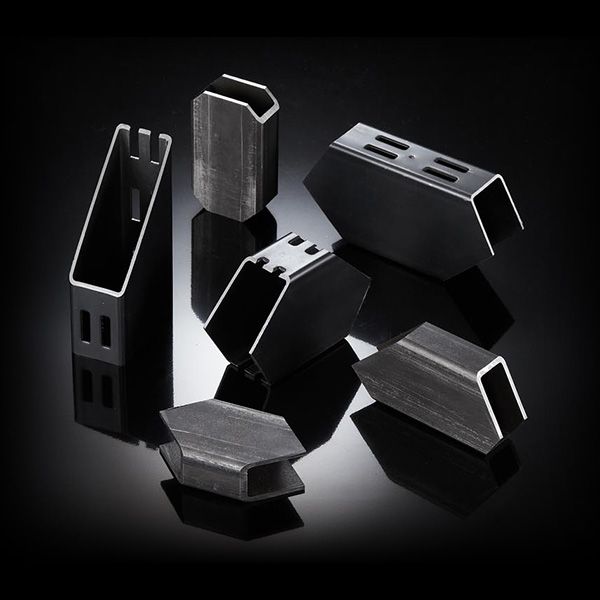
Complex geometry is where the laser earns its keep. It can cut any shape the CNC can trace: miters, copes, notches, slots, holes, and complex contoured profiles, all in a single setup with no tool changes. Operations that would require multiple machines and setups with conventional methods happen in one pass on a laser tube cutter.
For applications like structural connections, architectural metalwork, or any joint where tubes intersect at angles, laser cutting eliminates the need for separate drilling, notching, and milling operations.
Flexibility and Quick Changeover
Switching from one part to another on a laser means loading a new program. There’s no tooling to change, no fixtures to swap, and no setup time in the traditional sense. This makes laser ideal for job shops and mixed-production environments where variety is constant and batch sizes are small.
Precision on Complex Parts
When you need a coped joint that fits perfectly against a mating tube, or a series of precisely located holes along a tube’s length, the laser’s positional accuracy delivers. Tolerances of +/- 0.1mm are standard, and the consistency from part to part is excellent.
Weld Prep in One Pass
A laser can cut bevel angles and weld-prep geometries directly into the cutting path. The tube comes off the machine ready for welding, with no secondary chamfering needed for those specific joints.
Reduced Secondary Operations
By combining cutting, hole-making, notching, and profiling into one operation, laser tube cutting often eliminates entire downstream processes. Fewer setups means fewer handling steps, less work-in-progress inventory, and lower total processing cost per part, even though the per-minute machine rate is higher.
Comparing the Costs
Laser tube cutting systems carry a significantly higher purchase price and operating cost than cold saws. The laser source, CNC system, material handling, and assist gas all contribute to higher hourly rates.
The real comparison, though, goes beyond price per cut:
| Factor | Cold Saw | Laser Tube Cutter |
|---|---|---|
| Capital cost | Lower | Higher |
| Cost per straight cut | Lower | Higher |
| Cost per complex part | Higher (multiple ops) | Lower (single setup) |
| Changeover time | Minutes | Seconds |
| Secondary operations | Often required | Often eliminated |
| Material waste | Low | Very low (tight nesting) |
For shops that primarily cut tubes to length, a cold saw is the more economical choice. For shops that need complex profiles, mixed parts, or rapid changeover, the laser’s total cost per finished part is often competitive or lower despite the higher machine rate.
Using Both Technologies
Many shops find the best answer is having both. Use the cold saw for high-volume straight cuts where it’s most efficient, and use the laser for complex parts, prototyping, and short runs where its flexibility justifies the cost.
This approach lets each machine do what it does best and avoids forcing either technology into applications where it’s not the optimal choice.
Our Equipment Range
We carry both technologies:
- Cold saw machines: From manual to fully automatic CNC systems for high-volume cut-to-length production.
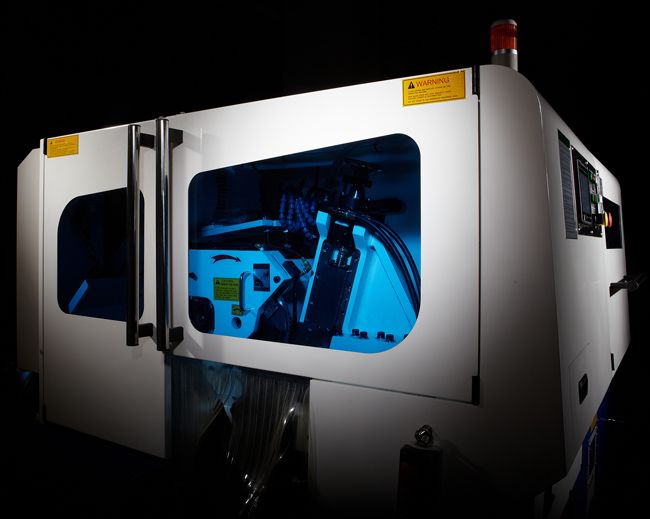
- Laser tube cutting systems: SOCO fiber laser tube cutters for complex profiles and multi-operation processing.
Not sure which technology fits your application? Contact us and we’ll help you evaluate the right approach based on your parts, volumes, and budget.