Is your cutting equipment holding back your production? Here are five clear indicators that it's time to invest in modern machinery, along with what to look for in a replacement.
Cutting equipment rarely fails all at once. It wears down gradually, getting a little slower here and a little less accurate there, until one day you realize your cutting operation has become the bottleneck. By that point, you’ve likely been absorbing hidden costs for months or years.
Here are five signs that your cutting equipment is due for an upgrade, and what to consider when evaluating replacements.
1. Increasing Scrap Rates
Scrap is often the first measurable symptom of a machine going downhill. If your reject rate has been creeping upward and you’ve already ruled out material issues and operator error, the machine itself is likely the problem.
Common causes in aging equipment:
- Worn bearings and guides: Blade deflection increases as bearing play develops, producing cuts that are out of square or have excessive taper.
- Loose clamping: Worn clamp mechanisms don’t hold material securely, allowing movement during the cut. The result is inconsistent lengths and angled cuts.
- Degraded feed systems: Hydraulic or mechanical feed systems that no longer provide smooth, consistent feed pressure produce rough surface finishes and dimensional variation.
And the cost is bigger than it looks. Scrap isn’t just wasted material; you’re also throwing away the machine time, labor, and capacity that went into making those parts. A 3% scrap rate on a machine running two shifts means you’re effectively losing more than two full shifts per month to parts that go in the recycling bin.
2. Maintenance Costs Are Climbing
Every machine needs maintenance, but there’s a crossover point where ongoing repair costs exceed the financing cost of a new machine. Track your maintenance spending and watch for these patterns:
- Increasing frequency: If you’re calling the technician monthly instead of quarterly, the machine is telling you something.
- Parts availability: When replacement parts require longer lead times, come from third-party fabricators instead of the OEM, or need to be custom-machined, the machine is approaching obsolescence.
- Unplanned downtime: Scheduled maintenance is manageable. Unplanned breakdowns that shut down production for hours or days are where the real cost lives. If surprise failures are becoming routine, the machine’s reliability has crossed a threshold.
It pays to keep a running log of every maintenance cost: parts, labor, and lost production time. Compare the totals year over year. A steady upward trend is a strong signal to start evaluating replacements.
3. You’re Turning Down Work
This sign may be the most expensive of all, precisely because it never shows up on your financial statements. If you’re declining orders or quoting longer lead times because your cutting equipment can’t keep up (or can’t handle the material, tolerance, or finish the customer needs), you’re leaving revenue on the table.
Common capability gaps in older equipment:
- Material range: Older machines may not handle the harder alloys or specialty materials that newer customers require.
- Tolerances: Modern CNC saws hold tighter tolerances than older manual or semi-automatic machines, and some customers now spec tolerances that your current equipment simply can’t meet.
- Automation level: If your competitors quote faster turnaround because they’re running automatic equipment while you’re still on semi-manual machines, you’re losing on delivery time even if your pricing is competitive.
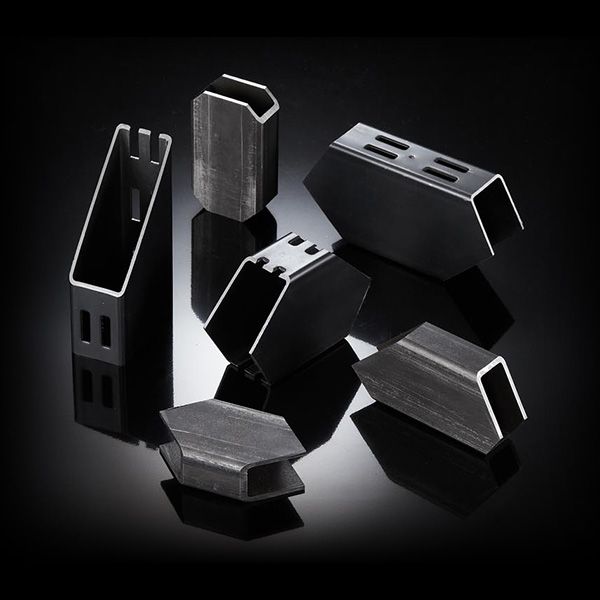
- Part complexity: Jobs that require profiling, notching, or coping that your current equipment can’t do are jobs going to competitors with more capable machines.
4. Your Cycle Times Are No Longer Competitive
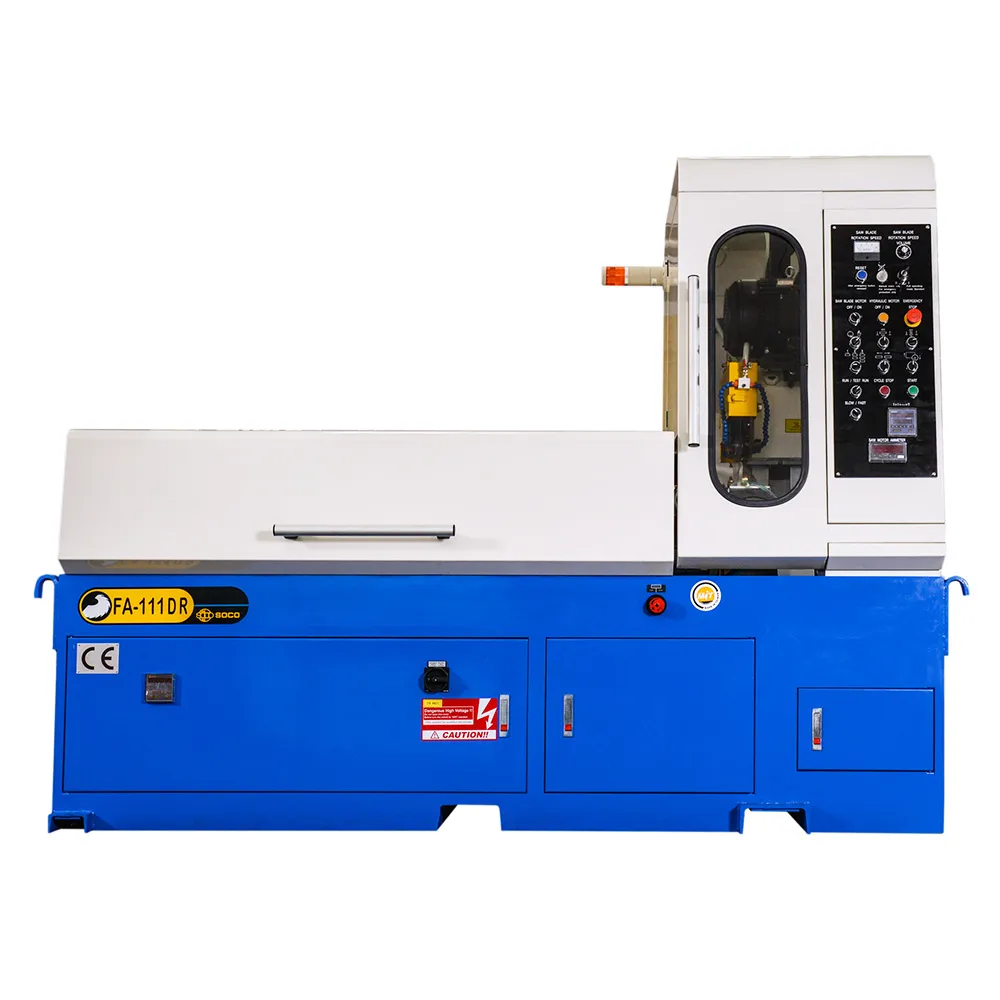
Cutting technology keeps moving forward. A cold saw that was state-of-the-art fifteen years ago may cut at half the speed of a current model on the same material. Modern improvements include:
- More powerful spindle motors that maintain cutting speed under load instead of bogging down.
- Faster rapid traverse and positioning that reduces non-cutting time between parts.
- Optimized blade speeds and feeds driven by modern CNC controls that automatically adjust parameters for different materials.
- Servo-driven feed systems that accelerate and decelerate faster than hydraulic equivalents.
- Quick-change tooling and clamping that reduces setup time between jobs.
If you’re quoting jobs based on cycle times that are 30-50% longer than what modern equipment can achieve, your pricing has to be higher to cover the extra machine time, or your margins are thinner than they should be.
5. Safety Concerns Are Growing
Older machines may lack safety features that are standard on modern equipment:
- Light curtains and safety interlocks that prevent operation when guards are open.
- Enclosed cutting zones that contain chips, coolant, and noise.
- Ergonomic loading and unloading that reduces operator strain and repetitive motion injuries.
- Emergency stop systems that meet current standards.
Beyond the moral obligation to protect your workers, safety incidents carry real financial costs: workers’ compensation claims, OSHA fines, lost production, and increased insurance premiums. Modern machines are designed to current safety standards and significantly reduce these risks.
Evaluating Replacements
Once you’ve identified the need, here’s how to approach the selection process:
Define Your Requirements First
Before looking at machines, document what you need:
- What materials and sizes will you cut?
- What tolerances does your work require?
- What’s your target production volume per shift?
- What level of automation do you need: manual, semi-automatic, or fully automatic?
- Does the machine need to integrate with upstream or downstream equipment?
Calculate Total Cost of Ownership
Purchase price is one number. Total cost of ownership includes:
- Energy consumption: Modern machines are significantly more energy-efficient.
- Blade and tooling costs: Better machines often extend blade life through improved rigidity and cutting dynamics.
- Maintenance costs: Newer machines need less maintenance and have better parts availability.
- Labor costs: Automation reduces operator involvement per part.
- Scrap costs: Better accuracy means fewer rejected parts.
Consider Future Needs
Buy for where your business is going, not just where it is today. A machine that handles your current work plus anticipated growth in material range, size, or volume will serve you longer than one that’s already at capacity on day one.
How We Can Help
At World Machinery & Saw, we help manufacturers evaluate and upgrade their cutting operations. Our equipment range covers:
- Cold saws: Manual through fully automatic CNC for every production level
- Tube benders: All-electric and hybrid CNC benders
- Chamfering machines: Single and double-end tube finishing
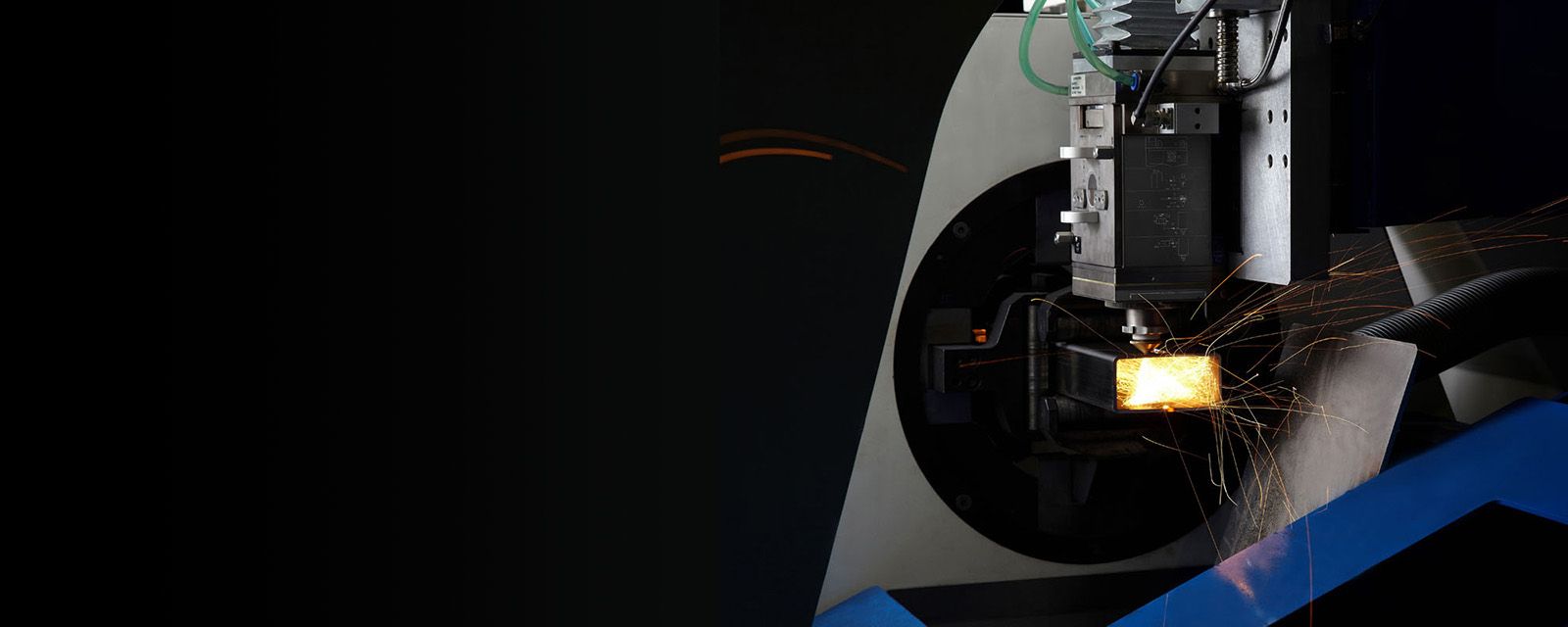
- Laser tube cutters: Fiber laser systems for complex tube processing
We also provide saw blade services to keep your existing equipment running at peak performance while you plan your next upgrade.
Ready to discuss your options? Contact us for a free consultation. We’ll help you find the right machine for your application, volume, and budget.