Learn the signs that your cold saw blade needs attention and how to decide between resharpening, retoothing, and full replacement to minimize your cost per cut.
A dull saw blade does more than slow you down. It damages your machine, wastes material, and drives up your cost per cut. Knowing when to service your blade and choosing the right service option is one of the simplest ways to keep your cutting operation running efficiently. This guide covers the warning signs to watch for and how to decide between resharpening, retoothing, and replacement.
Signs Your Blade Needs Attention
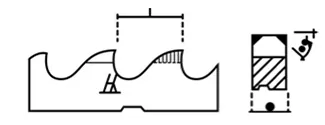
Catching wear early keeps a blade from failing mid-cut. These warning signs tell you it’s time to act:
Visual Indicators
- Chipped or broken teeth: Even a single damaged tooth affects cut quality and puts uneven stress on the remaining teeth.
- Rounded cutting edges: Hold a tooth up to the light. A sharp tooth has a crisp edge; a dull tooth looks rounded or reflective at the tip.
- Discoloration on tooth tips: Blue or brown discoloration indicates heat buildup from excessive friction, a sign the blade is working harder than it should.
- Uneven tooth wear: If some teeth are significantly more worn than others, the blade may have been damaged or improperly sharpened in the past.
Performance Indicators
- Increased cutting time: If the same cut takes noticeably longer, the blade is losing its edge.
- Rougher surface finish: Burrs, torn surfaces, or a visibly rougher cut face point to dull teeth.
- Increased noise or vibration: A sharp blade cuts smoothly. Unusual vibration or a change in sound during cutting suggests worn teeth or blade damage.
- Material deflection: If the workpiece pushes away from the blade or the blade wanders during the cut, the teeth aren’t engaging properly.
- Excessive heat: Hot chips or a hot workpiece after cutting mean the blade is generating friction instead of shearing material cleanly.
Machine Indicators
- Higher motor amperage: If your machine has an ammeter, increasing amperage for the same material and cut parameters means the blade is forcing its way through rather than cutting cleanly.
- Coolant discoloration: Dark or discolored coolant can indicate excessive heat and metal particles from a struggling blade.
As a general practice, service the blade at the first sign of performance change, not after quality becomes unacceptable. Waiting too long causes additional tooth damage that may require more extensive (and expensive) repair.
Option 1: Resharpening
Resharpening restores the cutting edges of the existing teeth by grinding a small amount of material from the tooth face. It’s the most common and cost-effective blade maintenance option.
When to Resharpen
- Blade is cutting slowly but teeth are intact
- Surface finish has degraded but the blade tracks straight
- Teeth show normal wear without chips or breakage
- This is your routine maintenance interval
How Resharpening Works
A precision grinding machine removes a controlled amount of material from each tooth, restoring the original rake and clearance angles. A properly resharpened blade performs like new. Our resharpening service uses precision CNC grinding equipment to ensure consistent results across every tooth.
How Many Times Can You Resharpen?
A quality HSS cold saw blade can typically be resharpened 15-25 times before the teeth are too short to cut effectively. Carbide-tipped blades can usually be resharpened 8-15 times. This means a single blade, properly maintained, can last years in production.
What It Costs
Resharpening typically costs 10-20% of a new blade price. If you get 20 sharpenings from a blade, your effective cost per sharpening cycle is a fraction of what replacement would cost. This is where proper blade maintenance pays for itself many times over.
Option 2: Retoothing
Retoothing replaces damaged or missing teeth on an otherwise good blade body. This is a repair option, not routine maintenance.
When to Retooth
- Several teeth are chipped, cracked, or missing
- A crash or misalignment damaged a section of teeth
- The blade body (plate) is still straight and in good condition
- Tooth damage is localized rather than uniform
How Retoothing Works
Damaged teeth are ground away and new teeth are welded or brazed onto the blade body. The new teeth are then ground to match the original tooth geometry. For carbide-tipped blades, new carbide tips are brazed onto the existing tooth seats. We offer retoothing services that restore damaged blades to full cutting capability.
When Retoothing Pays Off
Retoothing makes economic sense when the blade body is in good condition and only a portion of the teeth are damaged. If the blade plate is warped, cracked, or has widespread tooth damage, replacement is usually more cost-effective.
Option 3: Replacement
Sometimes a blade is beyond economical repair and needs to be replaced.
When to Replace
- The blade body is cracked, warped, or out of flat
- Teeth have been resharpened to their minimum height
- Widespread tooth damage makes retoothing impractical
- The blade is an older design and a better option is now available
- Damage from a crash or jam has compromised structural integrity
Choosing a Replacement Blade
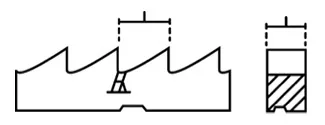
When ordering a new blade, consider whether your current specification is still the best match for your work. Factors to review:
- Tooth count: More teeth give a finer finish but slower feed rates. Fewer teeth cut faster but with a rougher finish.
- Tooth geometry: Different rake and clearance angles optimize for different materials.
- Blade material: HSS for general purpose, cobalt HSS for harder materials, carbide-tipped for maximum life and harder alloys.
- Coating: TiN, TiAlN, and other coatings reduce friction and extend life, especially in abrasive or high-temperature applications.
Establishing a Maintenance Schedule
Rather than running blades until they fail, establish a proactive resharpening schedule:
- Track cuts or running hours: Most blades have a predictable service life measured in cuts or machine hours for a given material and feed rate.
- Set a resharpening interval: Based on your tracking, establish a conservative interval and sharpen before performance degrades.
- Keep spare blades rotated: Have at least one resharpened spare ready so you can swap blades without stopping production.
- Log each service: Track how many times each blade has been resharpened to know when it’s approaching end of life.
Proper Blade Handling
Good habits extend blade life between sharpenings:
- Store blades vertically in a rack or hang them. Never stack blades flat, since the weight can damage teeth.
- Use blade covers during storage and transport to protect tooth edges.
- Clean blades after use to remove chips and coolant residue.
- Inspect before installing: Check for damage that may have occurred during handling or storage.
- Follow machine parameters: Running the correct speed and feed for your material is the single biggest factor in blade life.
Our Blade Services
At World Machinery & Saw, blade service is a core part of our business. We offer:
- Resharpening: CNC precision grinding for HSS and carbide-tipped blades
- Retoothing: Tooth replacement and repair for damaged blades
- Carbide blade services: Specialized carbide tip brazing, grinding, and replacement
We service blades for all major cold saw brands, not just the machines we sell. Turnaround times are fast because we know production doesn’t wait.
Have a blade that needs attention? Contact us or submit a service request and we’ll get it back to you cutting like new.