Practical strategies to lower your sawing operation's cost per cut, from blade selection and coolant management to automation and workflow optimization.
If you want a clear picture of how a sawing operation is performing, look at the cost per cut. It folds together blade costs, machine time, labor, energy, scrap, and maintenance into a single number that shows how efficient the operation really is.
Most shops have significant room to improve. The strategies below have the biggest impact on driving that number down.
Optimize Blade Selection
Your blade is the single biggest variable you control, so it’s the first place to look.
Match the Blade to the Material
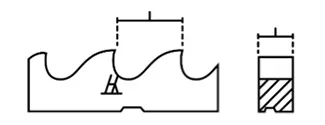
Using a general-purpose blade for everything is convenient but expensive. Different materials cut best with different tooth geometries, rake angles, and blade materials:
- Mild steel: Standard HSS blades work well. A straight-back tooth (Style A) handles most profiles.
- Stainless steel: Use a blade designed for higher hardness materials with a more aggressive rake angle. Cobalt HSS or carbide-tipped blades last significantly longer.
- Aluminum: High tooth count blades with polished tooth faces prevent material buildup. Higher blade speeds are essential.
- Structural shapes: Lower tooth counts with deeper gullets to handle the interrupted cut and chip clearance requirements.
If you’re running multiple materials, dedicated blades for each type, rather than one compromise blade for everything, will extend blade life and improve cut quality across the board.
Right-Size the Tooth Count
A higher tooth count isn’t automatically better; match the count to your material thickness:
- Thin wall tubing: Higher tooth counts (180-280 teeth on a 10“ blade) for smooth cuts.
- Medium wall: Moderate tooth counts (120-180) balance finish and feed rate.
- Thick wall and solids: Lower tooth counts (60-100) for chip clearance and reduced cutting forces.
Using too many teeth on thick material overloads individual teeth and generates excessive heat. Too few teeth on thin material causes vibration and rough finishes. Check our blade sizing guide for specific recommendations by diameter and material.
Invest in Quality
Cheap blades tend to cost more over their working life. A premium HSS or carbide-tipped blade costs more upfront but delivers dramatically more cuts per sharpening and more sharpenings per blade life. When you calculate cost per cut including resharpening cycles, the premium blade almost always wins.
Manage Your Coolant
Coolant gets overlooked more than almost any other factor in blade life and cut quality, yet proper management alone can double blade life in many operations.
Concentration Matters
Too dilute and the coolant doesn’t lubricate or protect effectively. Too concentrated and you’re wasting money on coolant and may cause issues with residue. Check concentration with a refractometer weekly and maintain the manufacturer’s recommended ratio.
Flow Volume and Targeting
The coolant needs to flood the cut zone completely. A trickle of coolant at the entry point isn’t enough; you need volume at the point where the teeth engage the material. Check that nozzles are properly aimed and that flow rate is adequate for your cutting parameters.
Keep It Clean
Coolant degrades over time. Metal fines, tramp oil, and bacterial growth all reduce effectiveness. Skim tramp oil regularly, filter out fines, and replace coolant on a schedule. Dirty coolant accelerates blade wear and produces poor surface finishes.
Reduce Non-Cutting Time
A saw only makes money while it’s actually cutting. Everything else (loading, measuring, clamping, indexing, unloading) is overhead, so minimizing non-cutting time is one of the fastest ways to reduce cost per cut.
Automate Material Feeding
Manual feeding means the operator measures, positions, clamps, cuts, unclamps, advances, and repeats. On an automatic saw with a servo feed, the machine handles measuring and advancing. The operator loads a stick of material and walks away until it’s consumed.
The cycle time difference is dramatic. A semi-automatic saw might produce 60 cuts per hour on a given part. A fully automatic saw on the same part might produce 150-200 cuts per hour.
Bundle Cutting
If your machine supports it, cutting multiple pieces per stroke multiplies your output immediately. Four tubes cut simultaneously means four times the production from the same cycle time (minus a slightly slower feed rate for the added material).
Minimize Setup and Changeover
If you’re spending 20 minutes changing over between jobs, that’s 20 minutes of zero production. Organize your schedule to batch similar jobs together. Use quick-change tooling and pre-set length stops to reduce changeover time.
Extend Blade Life
Every resharpening cycle costs money and downtime. Maximizing cuts between sharpenings directly reduces your cost per cut.
Use Correct Cutting Parameters
Running the correct blade speed and feed rate for your material is the single most important factor in blade life. Too fast generates heat that degrades the tooth edge. Too slow causes teeth to rub rather than cut, work-hardening the surface and accelerating wear.
Break In New Blades
New and freshly resharpened blades have microscopically sharp tooth edges that are prone to chipping. Run the first 50-100 cuts at reduced feed rate (about 50-75% of normal) to let the edges develop a stable micro-geometry. This break-in period significantly extends total blade life.
Don’t Run Blades to Failure
Resharpen blades at the first sign of performance degradation: longer cycle times, rougher finish, or increased motor load. Running a dull blade doesn’t just produce bad cuts; it damages the tooth geometry in ways that require removing more material during resharpening, reducing the total number of resharpenings you get from the blade.
Our resharpening service restores blades to factory-edge performance. We also offer retoothing for blades with damaged teeth.
Track and Measure
Improvement depends on knowing where you stand, so start tracking:
- Cuts per blade before resharpening
- Resharpening count per blade life
- Scrap rate by job and material
- Cycle time for recurring jobs
- Maintenance costs per month
- Downtime hours (planned and unplanned)
Calculate your actual cost per cut by dividing total operating cost (blade, coolant, energy, labor, maintenance) by total good cuts produced. Track this monthly and you’ll see the impact of every improvement you make.
The Equipment Factor
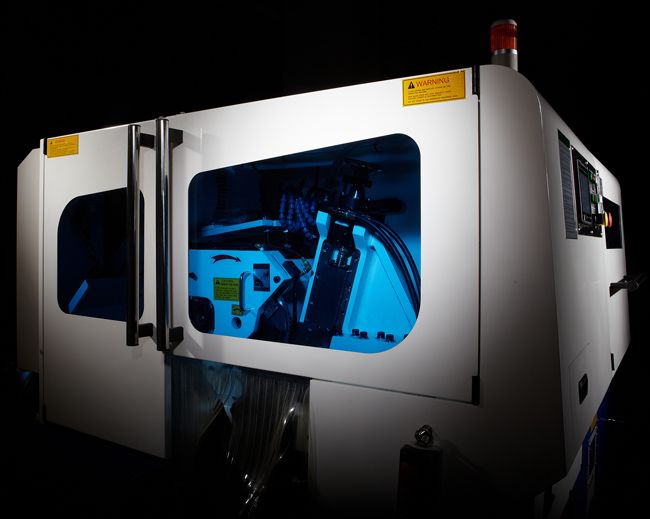
Sometimes the most effective cost reduction is a better machine. Modern CNC cold saws offer faster cycle times, better accuracy (less scrap), longer blade life (through improved rigidity and cutting dynamics), and lower labor requirements (through automation).
If your cost-per-cut analysis reveals that machine limitations are your biggest constraint, explore our sawing equipment lineup. We carry machines from manual single-cut saws to fully automatic CNC systems, and we can help you calculate the ROI on an upgrade based on your actual production numbers.
Contact us to discuss your operation and find opportunities to reduce your cutting costs.