An introduction to tube chamfering and deburring: what it does, why it's critical for weld quality and safety, and how to choose the right machine for your operation.
Anyone who has handled a freshly cut piece of tubing knows the razor-sharp burr it leaves behind, and clearing that burr is only the start of what chamfering does. The operation is a critical step in tube processing that directly affects weld quality, assembly fit, safety, and the finished appearance of your product.
What Is Chamfering?
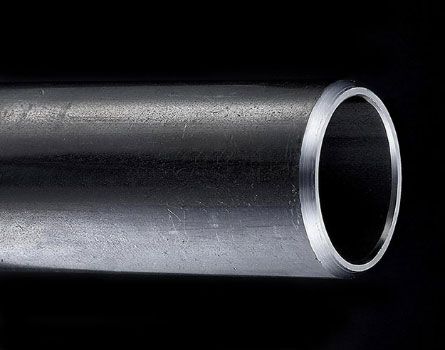
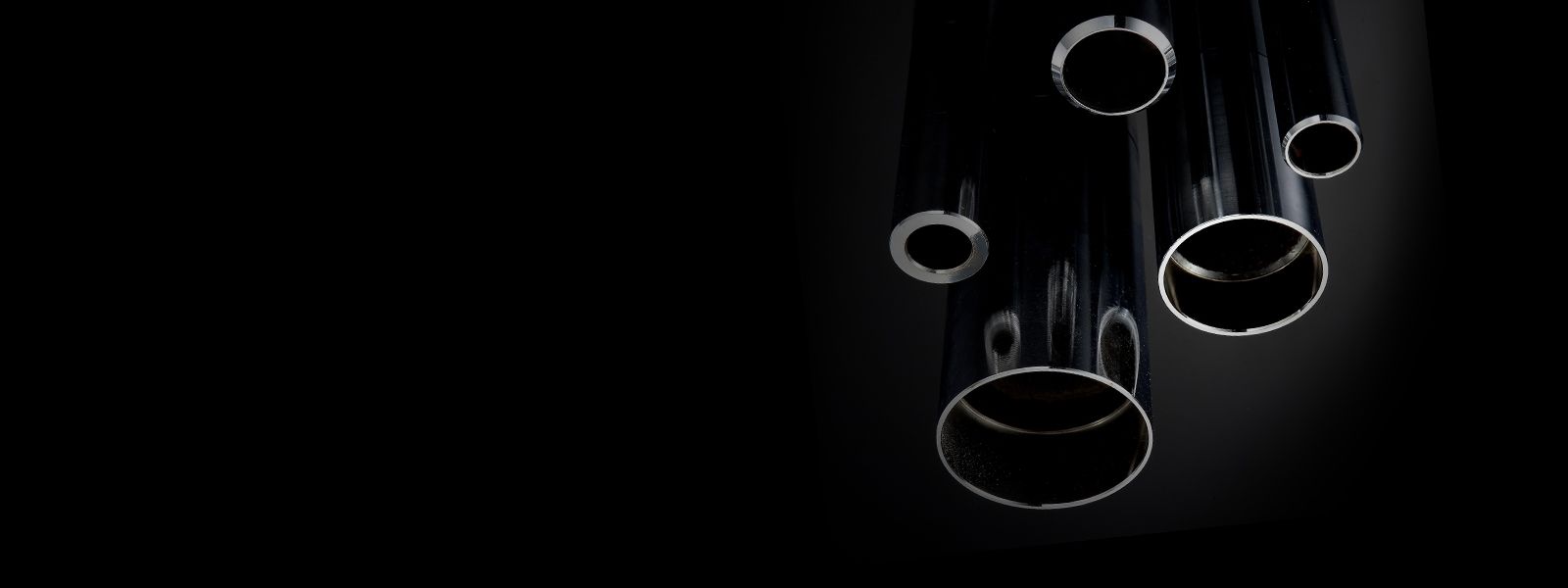
Chamfering is the process of cutting a beveled edge on the end of a tube or pipe. Instead of a sharp 90-degree corner left by the saw, a chamfering machine creates an angled surface, typically between 30 and 45 degrees, around the tube’s circumference.
Deburring is the closely related process of removing the rough burr left by cutting. Many chamfering machines handle both operations in a single pass, cleaning up the inside diameter (ID), outside diameter (OD), and end face simultaneously.
Why Chamfering Matters
Weld Preparation
Weld preparation is where chamfering matters most. When two pieces of tubing are welded together, the joint quality depends heavily on how the edges are prepared. A properly chamfered edge creates a V-groove or bevel that allows full weld penetration. Without it, the weld only bonds at the surface, creating a joint that looks solid but lacks structural integrity.
For any application where welds are load-bearing, such as structural steel, pressure vessels, automotive frames, and furniture, chamfering becomes an engineering requirement rather than an optional finishing step.
Worker Safety
Raw-cut tube ends are dangerously sharp. In any production environment where workers handle tubing, unchamfered edges create a constant risk of cuts and lacerations. Chamfering and deburring eliminate this hazard, which is especially important in high-volume operations where tubes are handled repeatedly during assembly.
Assembly and Fit
Tubes with chamfered ends slide into fittings, clamps, and other components more easily. The beveled edge acts as a lead-in, reducing the force needed for insertion and preventing damage to mating parts. This matters in automated assembly lines where consistent, predictable fit-up is essential for maintaining cycle times.
Appearance
For products where the tube end is visible, such as furniture, handrails, architectural elements, and consumer goods, a clean chamfer gives a professional, finished appearance. A rough burr immediately signals poor quality to the end customer.
Manual vs. Machine Chamfering
Manual Methods
Small shops often chamfer by hand using angle grinders, deburring tools, or files. This works for low volumes, but it has serious limitations:
- Inconsistency: Every edge is slightly different depending on the operator’s hand pressure and angle.
- Speed: Manual chamfering is slow, often taking 30-60 seconds per tube end.
- Quality: Achieving a uniform bevel depth and angle by hand is extremely difficult, especially on thin-wall tubing.
- Cost: While the tools are cheap, the labor cost per part is high.
Dedicated Chamfering Machines
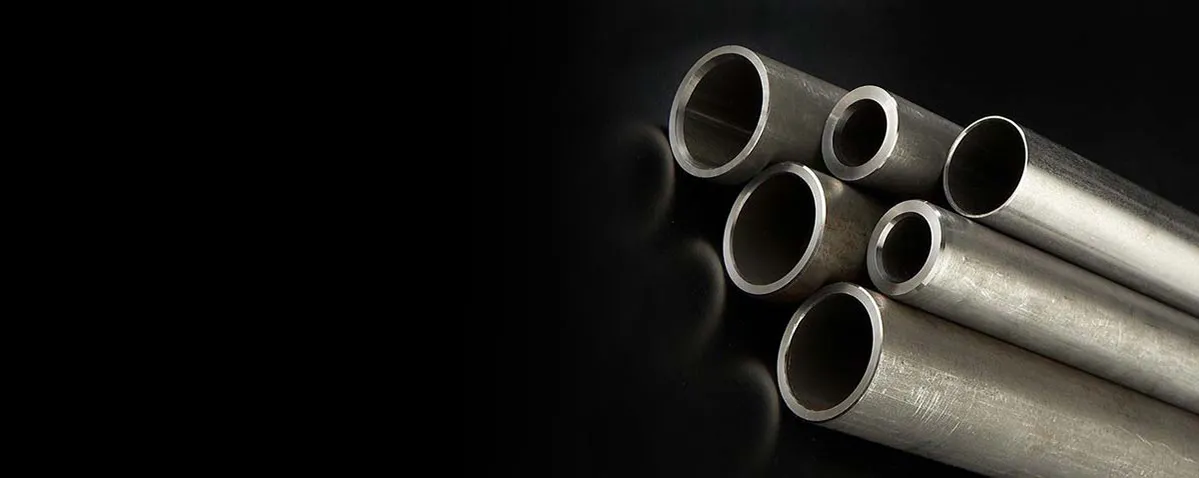
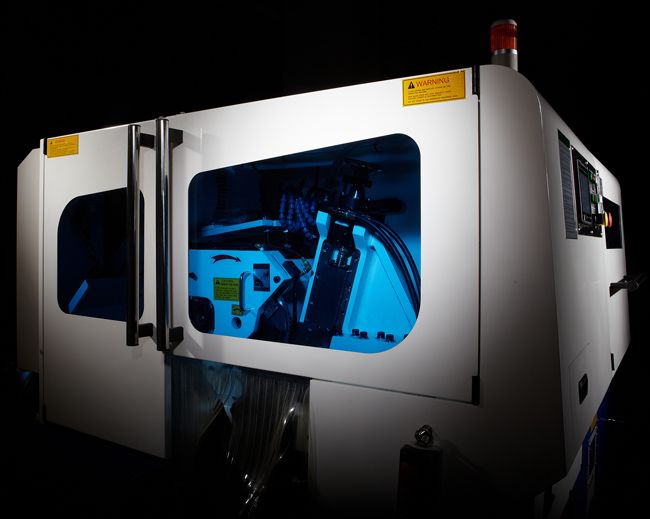
A purpose-built chamfering machine solves all of these problems. The tube is clamped, the cutting head engages, and a consistent chamfer is produced in seconds. Benefits include:
- Repeatability: Every tube gets the same bevel angle and depth, part after part.
- Speed: Cycle times of 3-10 seconds per end are typical, depending on tube size and material.
- Quality: Clean, uniform bevels with smooth surface finishes.
- Dual operation: Most machines chamfer both the ID and OD burr in one cycle.
Our chamfering machine lineup includes models for a wide range of tube sizes, from small-diameter precision tubing to large structural pipe.
Types of Chamfering Machines
Single-End Machines
These machines chamfer one end of the tube at a time. The operator loads the tube, the machine chamfers, and the operator removes and flips the tube for the other end. Best for moderate volumes and mixed tube sizes.
Double-End Machines
Both ends of the tube are chamfered simultaneously. These machines are designed for high-volume production where cycle time matters. The tube is loaded once and both ends are processed in parallel.
Inline/Automated Systems
For the highest production rates, chamfering machines can be integrated directly into the cutting line. Tubes come off the saw and feed automatically into the chamfering station, eliminating handling between operations entirely.
Choosing the Right Machine
When evaluating chamfering equipment, consider:
- Tube diameter range: What’s the smallest and largest OD you need to handle?
- Wall thickness range: Thin-wall tubing requires different tooling and feed rates than heavy-wall pipe.
- Material: Mild steel, stainless, aluminum, and exotic alloys each have different cutting characteristics.
- Chamfer specifications: What bevel angle and depth does your application require?
- Volume: How many tube ends per shift? This determines whether you need a manual, semi-automatic, or fully automatic machine.
- Integration: Will the chamfering machine stand alone or integrate into an existing production line?
Why It’s Worth Getting Right
Chamfering looks straightforward, but holding consistent quality at production speed is where it gets difficult. The right machine turns a bottleneck into a non-issue and improves the quality of everything downstream, from welds to assembly to final appearance.
Explore our full range of chamfering and deburring machines, or contact us to discuss your specific tube finishing requirements.